





Windows 10 Guide
How to Disable Windows 10 Update Service
Learn the safest way to disable Windows 10 update services using WUB, including protection settings that keep updates from re-enabling automatically.
Step-by-Step: Disable Update Services
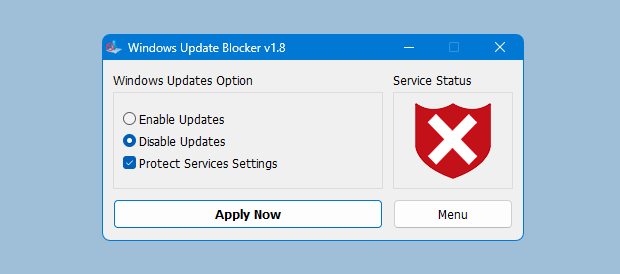
To disable Windows 10 update services, run WUB as Administrator, select Disable, click Apply, and enable Protect Service Settings. This stops the update services and helps prevent reactivation. Verify the status indicator and reboot if necessary to confirm the blocked state.
1. Launch WUB
Run Wub.exe as Administrator to access Windows service controls.
2. Disable & Apply
Select Disable, click Apply, and let WUB update the service configuration.
3. Enable Protection
Check Protect Service Settings to prevent Windows from reactivating updates.
Confirm Your Status
WUB shows clear status indicators. Confirm the red indicator to verify Windows Update services are disabled.
If the indicator switches back, re-apply protection and check for system policy overrides.
Service Commands (Reference)
WUB automates update service control. These commands show typical Windows 10 service changes for reference only.
sc stop wuauserv
sc config wuauserv start= disabled
sc stop bits
sc config bits start= disabled
sc stop dosvc
sc config dosvc start= disabled
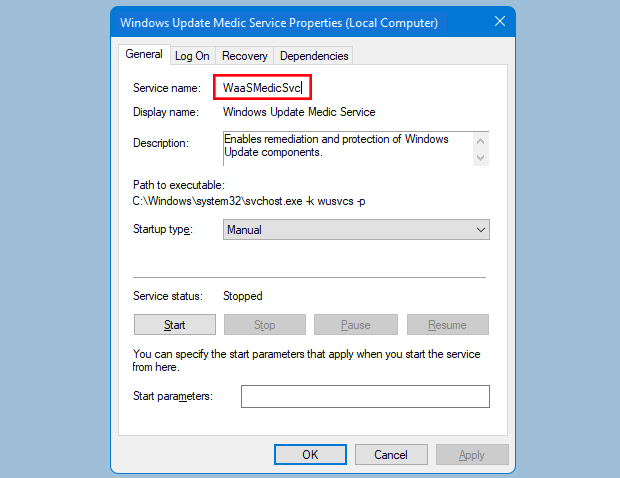
sc stop WaaSMedicSvc
sc config WaaSMedicSvc start= disabled
Common Issues
- Run WUB as Administrator or changes will not persist.
- Managed devices may enforce update policies automatically.
- Reboot if services display the old state.
Use the troubleshooting section in the main guides for more details.
FAQ
Is blocking Windows updates safe?
Blocking updates can reduce interruptions but delays security fixes. Plan maintenance windows to re-enable updates and stay protected.
How to disable Windows 10 update service?
Use WUB to disable updates, click Apply, and enable Protect Service Settings to keep services from reactivating.
Why do updates re-enable on Windows 10?
Windows may re-enable services after scans or policy checks. Enable protection and verify policy settings.